The Digital Ghost Hunt: Tracing the Elusive "Ballad None Performed Because It's Toxic"
In the vast, dynamic landscape of the internet, some content exists as a digital phantom—talked about, hinted at, yet stubbornly elusive to direct search. Our journey to unravel the mysterious phrase, "Ballad None Performed Because It's Toxic," is a compelling case study into the complexities of online information retrieval, content moderation, and the inherent impermanence of digital assets. What happens when a specific, intriguing query, especially one implying controversy, yields no direct answers, only echoes and unrelated noise?
The very concept of a "ballad" that remains unperformed due to its "toxicity" immediately captures the imagination. Is it a lost literary gem, a suppressed musical piece, or a metaphorical idea too contentious for public dissemination? The internet, despite its immense data, is also a graveyard of deleted posts, unindexed pages, and content that never materialized beyond a concept. This phrase perfectly encapsulates the challenges researchers and curious minds face when attempting to unearth specific digital enigmas.
When Search Engines Hit a Wall: The Elusiveness of Specific Queries
Our quest to find content directly related to "Ballad None Performed Because It's Toxic" reveals a common challenge in web searching: contextual misdirection. When platforms like FictionPress, Balladeer's Blog, or Goodreads are explored for this precise phrase, the results are rarely on-point. Instead, we typically encounter:
- Security Verification: Sometimes, the search itself triggers automated security checks, suggesting the content host prioritizes secure access, or the query may be unusual enough to flag. This means the search isn't even reaching the content layer.
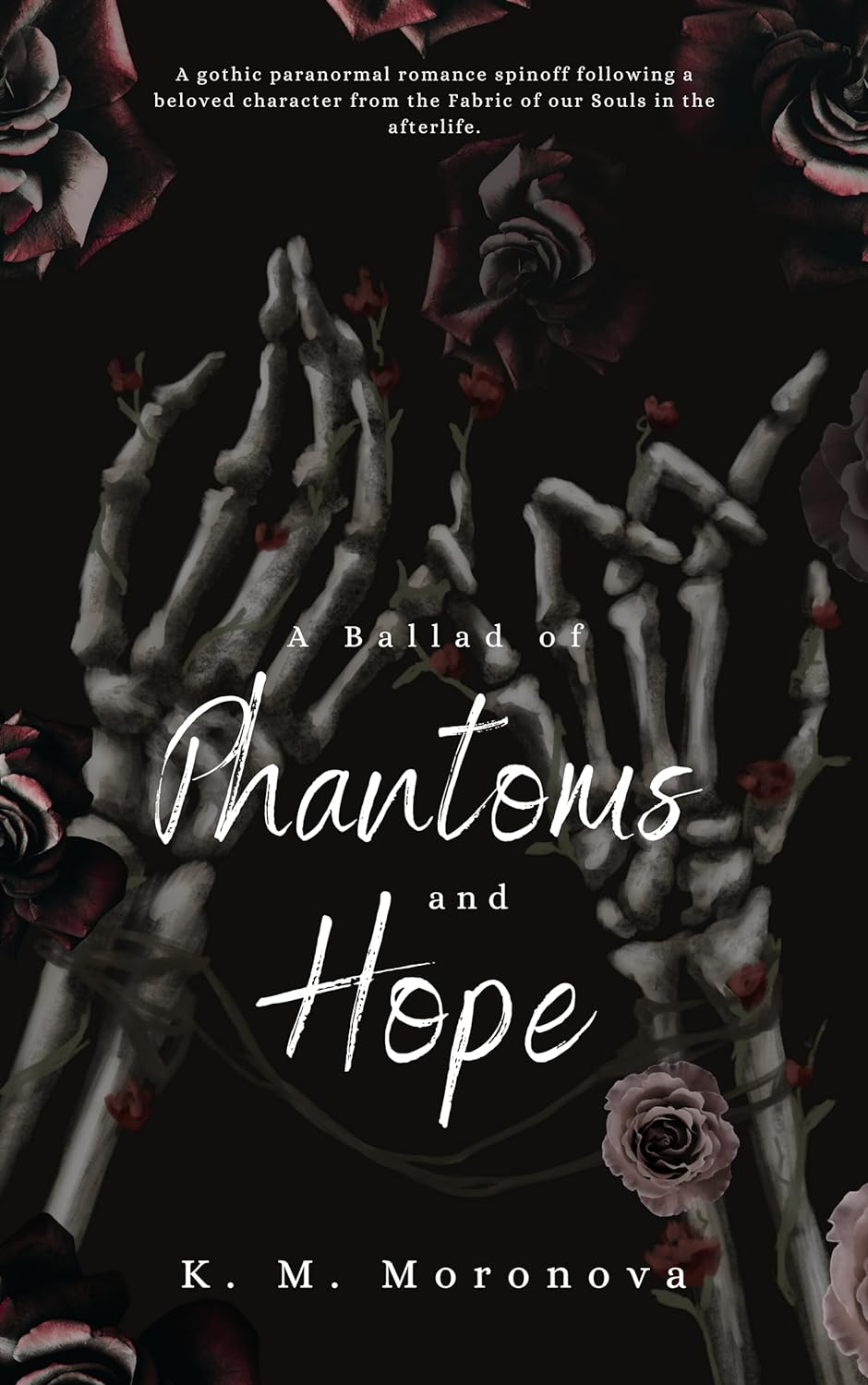
- Keyword-Based Noise: More often, search results will present articles or summaries where individual keywords like "ballad" or "toxic" appear, but not in the specific combination or context we're seeking. For example, you might find summaries of "ancient science fiction" or book descriptions that merely contain the word "ballad" in an unrelated title, like "A Ballad of Phantoms and Hope."
- Absence of Direct Matches: Crucially, no direct article or piece of content titled or prominently featuring "Ballad None Performed Because It's Toxic" surfaces. This suggests that the content, if it ever existed, is either deeply buried, removed, or was never officially published in that form.
These scenarios highlight that search engines, while powerful, often rely on pattern matching rather than semantic understanding. The combination of "ballad" and "toxic" can inadvertently pull up a deluge of content where these words are present, while the precise, evocative phrase remains a ghost. This compels us to consider: did this content ever truly exist in a discoverable format, or is its absence a defining characteristic?
Unpacking the "Toxic" Label: Content Moderation and Creative Control
The most intriguing aspect of our phantom ballad's title is the explicit reason for its alleged non-performance: "Because It's Toxic." This isn't just a descriptor; it’s a powerful justification, pointing directly to the often-fraught landscape of online content creation and dissemination. Understanding the implications of a "toxic" label is key to comprehending its potential digital disappearance.
Platform Policies and the Vanishing Act of Content
Online platforms, from social media giants to niche literary communities, operate under strict community guidelines and terms of service. Content deemed toxic—encompassing everything from hate speech, harassment, and misinformation to explicit or graphic material—is routinely flagged and removed. If a piece titled "Ballad None Performed Because It's Toxic" did exist and was published, its current absence could be a direct consequence of:
- Automated or Manual Moderation: Platforms employ sophisticated systems and human teams to identify and take down content that violates their rules. A "toxic" ballad would be a prime candidate for such removal.
- User Reporting: Online communities actively participate in self-governance by reporting problematic content. Widespread user reports can quickly lead to content review and subsequent deletion.
- Legal or Ethical Compliance: In some instances, content may be removed due to legal mandates or ethical concerns raised by external entities, compelling platforms to act.
Once content is removed for these reasons, it often leaves minimal to no trace accessible to the public. It effectively enters a "digital void," becoming part of the unindexed, inaccessible data of the web. For a deeper dive into content disappearance, explore The Missing Ballad: Why 'Toxic' Content Remains Unfound.
The Creator's Hand: Self-Censorship and Digital Retreats
Beyond external moderation, creators frequently choose to withdraw their own work. The "toxicity" might not be universally defined; it could be subjective, relating to personal growth, evolving perspectives, or anticipated backlash. A writer or artist might:
- Regret Previous Work: A piece created in a different phase of life might later be viewed as harmful, ill-considered, or no longer representative of their current values.
- Avoid Public Scrutiny: If a piece attracts negative attention or intense controversy, a creator might voluntarily retract it to escape further criticism or personal attacks. The idea of a "ballad not performed" could even imply a draft never released precisely to pre-empt such reactions.
- Re-evaluate Impact: A creator might simply conclude that their work, regardless of intent, could cause unintended harm or contribute to a negative online environment, leading to its voluntary removal.
In these cases, the content's absence is a deliberate act, making it even more challenging to trace, as it was intentionally withdrawn from public view rather than being passively lost.
Strategies for Unearthing Digital Echoes (and Accepting Absence)
For those determined to locate content as elusive as "Ballad None Performed Because It's Toxic," a standard keyword search is often insufficient. Advanced techniques and a shift in perspective are crucial.
Mastering Advanced Search Operators
To cut through the noise and target specific phrases, leverage search engine operators:
- Exact Phrase Search: Enclose the entire phrase in quotation marks, e.g.,
"Ballad None Performed Because It's Toxic". This compels the search engine to find that precise sequence of words, significantly narrowing results. - Site-Specific Search: If you suspect the content might have been on a particular platform, use
site:followed by the domain. For example:"Ballad None Performed Because It's Toxic" site:fictionpress.com. - Exclusion Operators: Use the
-(minus) sign to exclude irrelevant terms. If "A Ballad of Phantoms and Hope" keeps appearing, try:"Ballad None Performed Because It's Toxic" -Hope -Phantoms. - Archival Tools: Resources like the Internet Archive's Wayback Machine can be invaluable for finding older, deleted, or unlinked versions of web pages. While it won't magically create content that never existed, it can uncover pages that were live at some point and later removed.
The Power of Community and Contextual Search
Sometimes, the answer lies not in algorithms, but in human memory and collective knowledge:
- Niche Forums and Communities: If the content was niche, a specific fan community, literary forum, or social media group might hold the key. Someone might remember it, discuss its removal, or even have a cached copy.
- Searching for Related Discussions: Instead of only searching for the title, consider searching for discussions *about* content moderation, "toxic" art, or controversies on platforms known for creative writing. This contextual search can lead you to indirect mentions or discussions that allude to such a "ballad." For more on this approach, see Searching for 'Toxic' Ballads: When Web Context Yields Nothing.
The Acceptance of Absence: When Not Finding Is the Answer
Ultimately, the most profound discovery in the search for "Ballad None Performed Because It's Toxic" might be the realization of its absence. This non-existence or inaccessibility isn't a failure of the searcher; it’s a testament to the dynamic, often opaque, nature of the internet. It teaches us that:
- Some content is conceived but never fully published.
- Some content is published briefly and then consciously withdrawn.
- Some content is deemed inappropriate by platforms and removed without a public trace.
- And sometimes, a phrase exists purely as a metaphorical construct or an intriguing thought experiment, rather than an actual, discoverable work.
The quest for the phantom ballad forces us to confront the limitations of digital discovery and the significant role that human and algorithmic gatekeepers play in shaping our online experience. It's a powerful reminder that not everything that echoes in the digital ether leaves a permanent, discoverable footprint.
Conclusion: The Enduring Mystery of the Digital Ghost
The journey to trace "Ballad None Performed Because It's Toxic" serves as a compelling exploration into the hidden corners of the internet. Far from a simple search, it transforms into a multi-layered investigation into digital forensics, content moderation policies, authorial intent, and the very structure of how information is stored, retrieved, and, crucially, deleted online. While the specific ballad may remain an elusive phantom, its mysterious absence illuminates critical aspects of our digital world: the constant battle against "toxic" content, the challenges of accurate information retrieval, and the inherent impermanence of much of what we perceive as solid online data.
Ultimately, the phantom ballad reminds us that the internet is not a complete archive of human thought, but a constantly shifting landscape where stories emerge, vanish, and sometimes, are never even performed. Its mystery endures, a testament to the profound and sometimes unsettling secrets hidden within the digital realm.